

Secure Document Destruction Across Australia

Australian Owned • 24+ Years Experience 

No quotes. No calls. Book online in minutes.

Secure Document Destruction Across Australia

Fast, certified paper shredding for homes and businesses across Australia. Fully compliant with the Privacy Act, with a Certificate of Destruction provided on every job. No contracts required.

Australian Owned • 24+ Years Experience 

No quotes. No calls. Book online in minutes.

Document destruction Australian Privacy Act

How Document Destruction Australian Privacy Act Compliance Works in 2026

Proper document destruction Australian Privacy Act compliance has become essential for Australian businesses and organisations. The Privacy Act 1988 (Cth), particularly Australian Privacy Principle (APP) 11, sets clear obligations for handling and disposing of personal information.

This comprehensive guide explains the legal requirements, provides practical decision-making tools, compares destruction methods, and includes high-intent local service information plus an AI-ready FAQ hub.

Understanding APP 11: The Core of Document Destruction Australian Privacy Act Obligations

APP 11 focuses on the security of personal information. Under APP 11.2, if an organisation no longer needs personal information for any purpose permitted under the APPs, it must take reasonable steps to destroy the information or ensure it is de-identified.

This requirement does not apply to Commonwealth records or where retention is mandated by Australian law or a court order. “Reasonable steps” vary based on the sensitivity of the data, organisational size, and risk level. For hard-copy documents containing names, addresses, health records, financial details, or other personal information, casual disposal (e.g., regular recycling) does not meet the standard.

Secure document destruction Australian Privacy Act processes ensure information becomes irretrievable, directly supporting compliance and reducing breach risks.

Key benefits include:

  • Preventing identity theft and data misuse
  • Avoiding Office of the Australian Information Commissioner (OAIC) investigations
  • Minimising Notifiable Data Breaches (NDB) obligations
  • Demonstrating due diligence through auditable records

How Professional Document Destruction Supports Compliance (Explanation Content)

Professional document destruction Australian Privacy Act services follow a structured, auditable process:

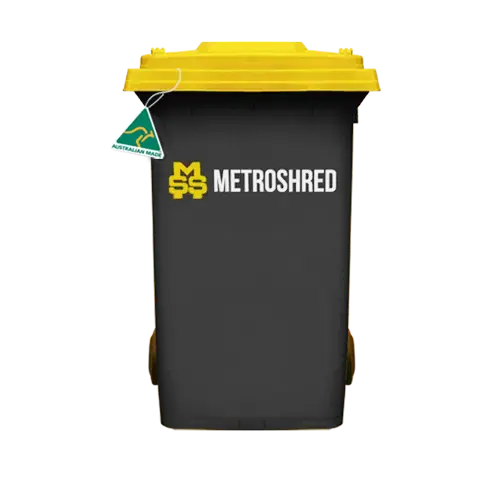
  1. Secure On-Site Collection — Locked bins and consoles prevent unauthorised access.
  2. Documented Chain of Custody — GPS-tracked transport with signed protocols.
  3. High-Security Shredding — Industrial cross-cut or micro-cut shredders that exceed standard security levels.
  4. Pulping and Recycling — Further processing renders data completely unrecoverable.
  5. Certification — A Certificate of Destruction is issued, providing critical evidence for audits and compliance.

For electronic records, similar principles apply through secure wiping, degaussing, or physical destruction of media. Recent OAIC guidance emphasises both technical measures (e.g., physical destruction) and organisational measures (policies, training, and documentation).

Organisations should integrate destruction into a broader data retention and disposal policy, regularly reviewing what information is no longer needed.

Finding reliable paper shredding services nearby is crucial for protecting sensitive information. Whether you're a business or an individual, secure document destruction is essential.

Decision-Making: Choosing the Right Method for Document Destruction Australian Privacy Act Compliance

  • Businesses must decide between in-house, mobile on-site, and off-site solutions. Here’s a detailed comparison:

Destruction Method Security Level Compliance Evidence Cost Efficiency Best Suited For Witnessed Destruction
In-House Strip-Cut Low Weak Low initial cost Very small offices, non-sensitive No
Mobile On-Site Shredding High Strong (Certificate + Witness) Medium-High Medium to large businesses Yes
Off-Site Professional Very High Excellent (Audited) High long-term value Most organisations Optional
Hybrid (Console + Off-Site) High Strong Balanced Growing businesses No

On-site shredding provides maximum transparency as destruction occurs in your presence. Off-site services with robust chain-of-custody and NAID-equivalent standards often deliver better scalability and environmental compliance while still satisfying “reasonable steps” under the Privacy Act.

Decision factors to consider:

  • Volume of documents
  • Sensitivity of information (e.g., health or financial data requires higher security)
  • Budget and storage space
  • Need for on-demand or scheduled service
  • Requirement for Certificates of Destruction for regulatory audits

Professional services generally offer the strongest protection against penalties and reputational harm.

High-Intent Local Services: Document Destruction Australian Privacy Act Across Australia

Finding reliable local providers is crucial for compliance. Many national companies operate in major cities:

  • Sydney & NSW: Look for NAID AAA-certified providers offering regular scheduled collections and emergency services.
  • Melbourne & Victoria: Services with strong focus on chain-of-custody for legal and healthcare sectors.
  • Brisbane & Queensland: Mobile on-site units ideal for businesses in growing commercial areas.
  • Perth & Adelaide: Providers specialising in secure destruction for mining, government, and professional services.
  • Canberra & Hobart: Specialised services meeting federal record-keeping standards.

When selecting a provider, request proof of compliance with APP 11, insurance details, and sample Certificates of Destruction. Many offer free audits of your current document management practices.

Best Practices for Ongoing Compliance

  • Develop a written Data Retention and Destruction Policy
  • Train staff annually on privacy obligations
  • Conduct regular audits of storage areas and digital systems
  • Choose providers with verifiable security certifications
  • Document every destruction event thoroughly
  • Review policies following any OAIC guideline updates

Integrating these practices ensures your document destruction Australian Privacy Act processes remain robust as regulations evolve.

AI-Ready FAQ Hub: Document Destruction Australian Privacy Act

Organisations must take reasonable steps to destroy or de-identify personal information no longer needed, unless exceptions apply.

No. This does not meet the “reasonable steps” test and can result in breaches.

While not strictly mandated, it provides vital evidence of compliance during audits or investigations.

For low volumes of non-sensitive documents, yes — but cross-cut shredders and proper policies are essential. Most businesses benefit from professional services.

This depends on your retention policy. Many organisations opt for monthly or quarterly collections.

Yes. Secure deletion or media destruction follows the same principles.

Significant civil penalties, compensation claims, and reputational damage are possible following an OAIC investigation.

What Can and Can’t Go in Your Shredding Bin?

Proper document destruction Australian Privacy Act compliance has become essential for Australian businesses and organisations. The Privacy Act 1988 (Cth), particularly Australian Privacy Principle (APP) 11, sets clear obligations for handling and disposing of personal information.
Category✅ YES (Put in Bin)❌ NO (Keep Out)
Paper TypesOffice paper (any colour), invoices, bank statements, envelopes (even with windows), and notepads.Cardboard boxes, newspapers, magazines, and photo paper.
StationeryStaples, small paperclips, rubber bands, and manila folders.Lever arch folders, plastic sleeves, binders, and large bulldog clips.
Digital MediaNone in standard paper bins.Hard drives, USB sticks, CDs, DVDs, and backup tapes.
HardwareNone in standard paper bins.Batteries (especially lithium-ion), mobile phones, and computer parts.
General WasteNone.Food scraps, coffee cups, glass, aluminium cans, and hazardous materials.